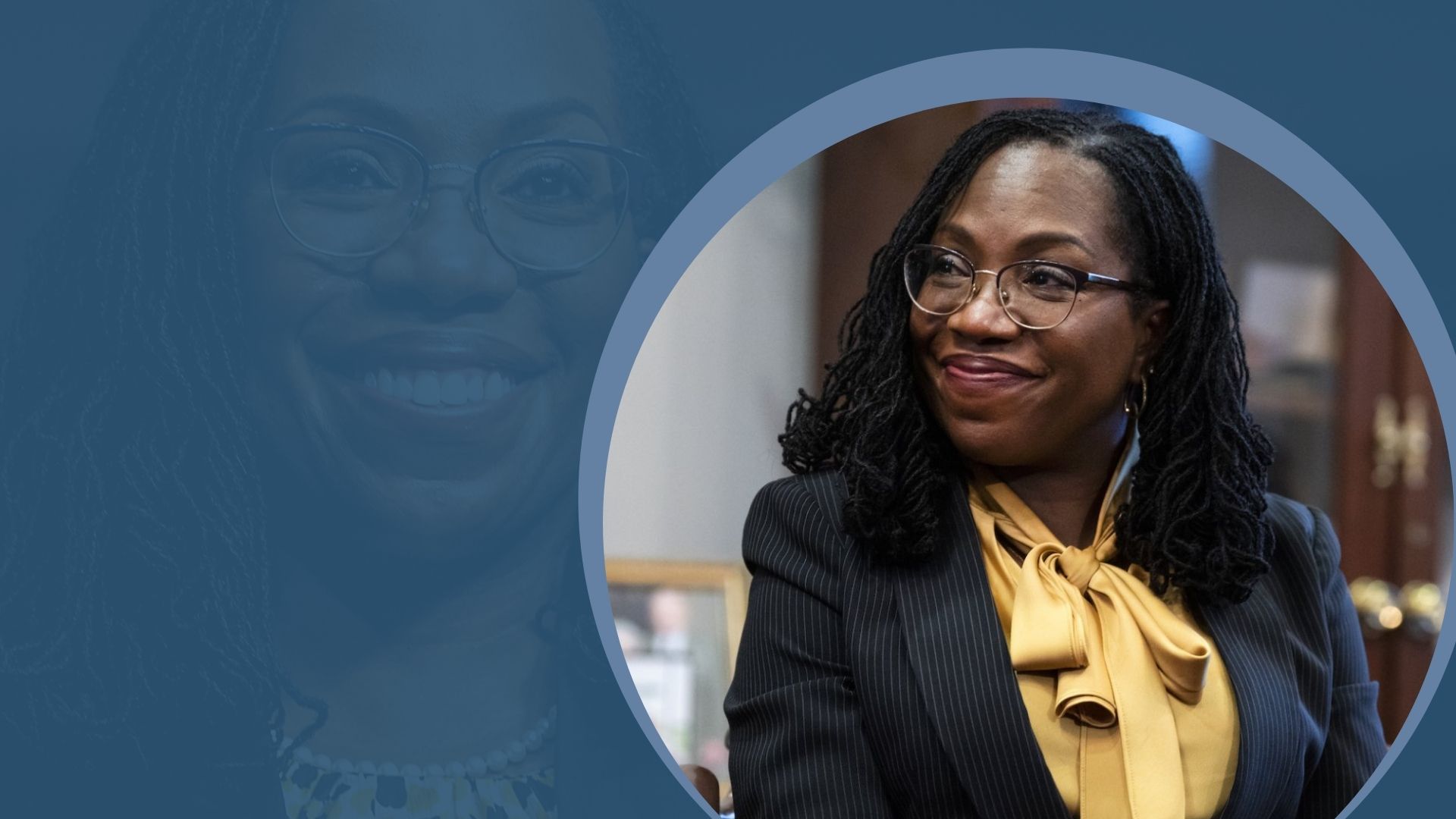
Justice Ketanji Brown Jackson emphasized a diverse American judicial branch in order to “bolster public confidence in our system” and the team at Workplace Harmony could not agree more.
Not only is equality paramount for our justice system to work more in line with the United States’ demographics. Justice Jackson’s confirmation encourages a continuation of the vital conversations about diversity and equity in governmental and non-governmental workplaces.
Since our focus at Workplace Harmony is workplaces, we have seen both the negative and the positive effects that diversity, equity, and inclusion and we have had in workplaces.
“Nobody wants to feel that they’re not understood. That’s just part of being human. We want to feel understood. We want to be loved. We want to feel like we belong somewhere.” Anna Mouchref
We learn over time that biases can occur consciously and intentionally; however, we also have to be aware that biases can be unconscious and unintentional. Remember, the human brain processes 11 million bits of information every second. Our minds, however, can only handle 14 to 60 bits of that. This means most of the work our brains done unconsciously. For us to function, every day, the brain creates mental shortcuts by seeking out patterns to group and categorize the information. Through this automatic cognitive process, every single one of us develops preferences — or biases.
We also understand that a considerable number of businesses don’t recognize that they lack these crucial company cultural components, which are often driven by biases, both unconscious and conscious, which affectecisions and behaviors in the workplace. As companies learn more about the unconscious biases, they can create a workplace culture of belonging.
What Is Unconscious Bias?
Unconscious or implicit bias refers to the associations that are made between different qualities and social categories such as age, race, gender, or disability. These are judgments that are made without conscious awareness. Automatic preferences or stereotypes are a major contributor to a lack of workplace diversity. There are many types of unconscious bias in the workplace. Here are just a few:
- Affinity bias: Favoring employees who “fit your culture.” This often means hiring and promoting people with similar interests, experiences, and backgrounds to existing company management.
- Confirmation bias: Disproportionately rewarding employees based on their names, places they’ve lived, or schools attended. This may lead to you unconsciously confirming your beliefs and ignoring diversity.
- Name bias: Hiring or rewarding employees simply based on a person’s name. A study from the National Bureau of Economic Research showed that people with with “white names” receive 50% more interview callbacks than those with ethnic sounding names.
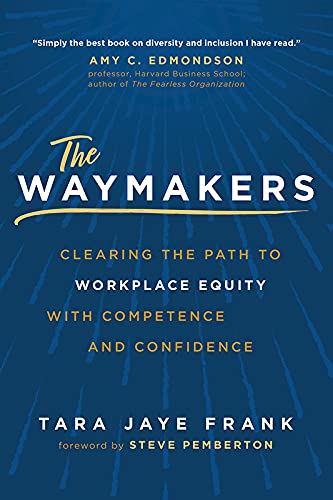
Suggested Reading
We can learn a bit more about unconscious biases by Tara Jaye Frank, a corporate consultant and author of ‘The Waymakers: Clearing the Path to Workplace Equity with Competence and Confidence’.
Examples of Workplace Bias
- Viewing someone as particularly intelligent because you attended the same college/university.
- Thinking that someone is qualified for a role because you share the same professional qualifications, or have worked at similar companies.
- Believe that someone is a ‘good fit’ for your team because you are of a similar age or socioeconomic background.
The team at Workplace Harmony works with teams to see that when hiring is made using points like those above, the hiring manager may still overlook a candidate whose skillsets and knowledge may be a better fit for the position.
Workplace Harmony advisors guide company leaders and employees to look at unconscious biases full circle. With an awareness of both negative and positive unconscious biases, companies can hire the best candidates for their jobs. When the best candidates are hired, they thrive and the company flourishes.
Ways to Remove Unconscious Bias in the Workplace
- Continuous education – Learn what unconscious biases exist in your organization and devise a plan to eliminate them, through intentional practices, policies, procedures and structures.
- Hold leaders and employees accountable when unconscious biases occur by bringing attention to those biases and having direct conversations about them.
- Encourage team members to speak up about biases.
- Set diversity and inclusion goals – centered in the lived experiences, not just data..
- Challenge your first impressions. Take the time to get to know someone so you can develop a more concrete impression of that person as a whole.
- Modernize your approach to hiring. Like we mentioned above “white names receive 50% more interview callbacks than those with African American-sounding names.” Some companies mitigate against this by removing names and addresses from candidates’ applications.
- Make judgments based on evidence. Ask yourself how you developed your first impression of someone and find evidence to support or refute that impression based on additional interactions. Facts over feelings.
- Use anonymous votes or surveys: The option to give feedback anonymously allows the freedom to express opinions without worrying about others’ preferences.
Equality & Diversity does Not Happen on Accident
As Frank said “Equity and diversity do not happen by accident”. These changes can and will happen as we bring awareness and take action to make change happen.
Today we see a national example of an inspiring change with the appointment of Ketanji Brown Jackson as the first Black female Supreme Court Justice; yet we still have so much more work to do!
We hope you will help be a part of that change!
If your company needs guidance with diversity, equality, and inclusion, reach out – the team at Workplace Harmony would be happy to help! Get in touch!